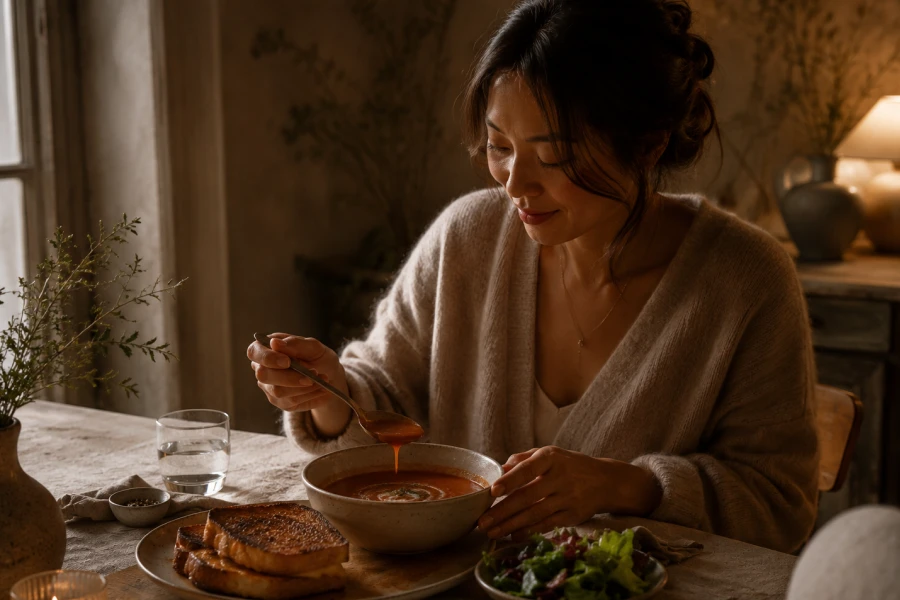
Cozy dinner ideas matter most on evenings when energy drops before dinner even begins. You still want something warm. You still want something satisfying. Yet you may not want a complicated recipe. That is where comfort-minded planning becomes useful. It helps you choose food that feels generous without overwhelming the night. The best dinners bring softness, aroma, and ease together. They give the table a calm center. With smart easy supper ideas, weeknights can feel less scattered. Dinner becomes a small reset. The whole evening can shift from there.
Long days make decision-making harder. You may open the fridge and feel nothing but pressure. A cozy dinner gives the mind a simpler path. It says warm, familiar, and doable. That direction narrows the field fast. You can choose soup, pasta, roasted vegetables, rice bowls, or baked dishes. Each option creates comfort through texture and temperature. The food does not need to be fancy. It only needs to feel cared for. This is why cozy meals remain so dependable. They meet the moment without asking too much from you.
Texture is one of the fastest ways to create comfort. Creamy dishes feel soothing. Crispy toppings make simple meals feel more complete. Brothy meals feel restorative when the weather turns cold. Soft starches can make dinner feel grounded. A crunchy salad beside a warm main can add balance. Think about the texture your evening needs before choosing the recipe. This approach prevents dinner from feeling random. It also helps you reuse ingredients creatively. A potato can become mashed, roasted, stuffed, or folded into soup. That flexibility keeps comfort food interesting.
Meal planning becomes easier when you organize by mood instead of strict recipes. One night can focus on creamy dishes. Another can focus on something roasted. A third can focus on bowls or soups. This makes planning feel more forgiving. You can still use what you have on hand. A cozy meal rotation gives enough structure without making dinner repetitive. It also helps you shop with purpose. You buy ingredients that can move across several meals. That saves time. It also reduces the feeling of starting from zero.
Special dinners do not always require more labor. Sometimes they need better finishing touches. Add toasted breadcrumbs to pasta. Swirl yogurt into soup. Roast lemons beside chicken. Spoon warm sauce over vegetables. Serve dinner in deeper bowls. Put a small salad beside a heavier dish. These gestures make simple meals feel intentional. They also help leftovers feel new. A quiet detail can carry the whole plate. That is useful when you want comfort but cannot cook from scratch. Small upgrades make the meal feel chosen.
Comfort is not only inside the recipe. It also comes from the setting. Lower the lights slightly. Clear the counter before serving. Use one good serving dish if possible. Put something warm at the center of the table. These steps sound small, but they change how dinner feels. A thoughtful setting slows the room down. It also helps people transition out of the day. With dinner mood planning, even a basic meal feels warmer. You create atmosphere without making hosting-level effort.
The best weekly favorites are easy to repeat and easy to adjust. A baked pasta can change with vegetables. A soup can shift with herbs. A rice bowl can become savory, spicy, or creamy. A roasted tray dinner can use whatever is fresh. This keeps comfort food from becoming boring. Repetition actually helps when the format stays flexible. You start recognizing what your household enjoys. You also notice what fits your schedule. Strong weeknight meal planning grows from those patterns. Dinner becomes easier because your favorites do more work.




Leave a comment
You must be logged in to post a comment.