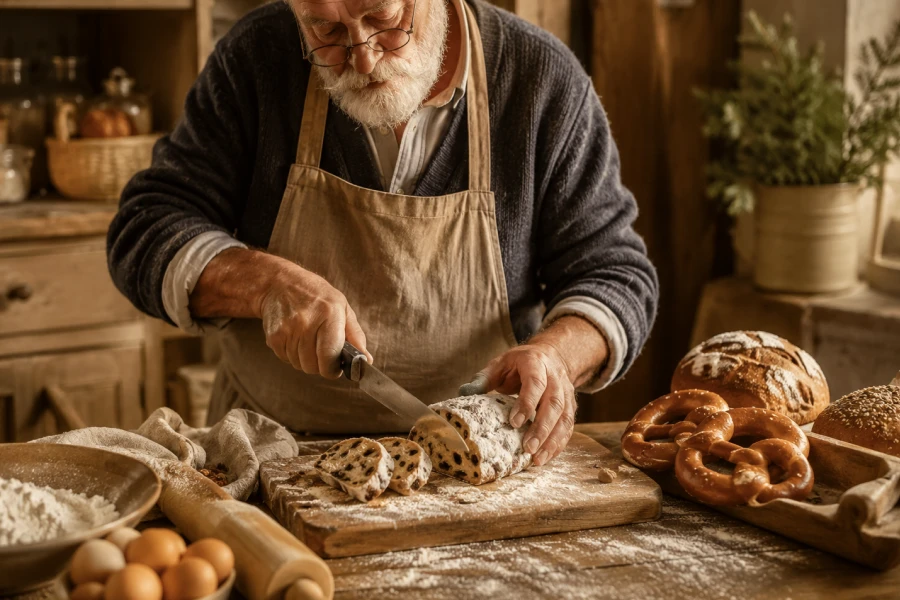
Traditional german baking has a way of turning ordinary weekends into something slower and more memorable. The recipes often feel grounded. They use familiar ingredients with careful technique. They also carry a strong sense of place. Pretzels, stollen, cakes, rolls, and spiced breads all bring different moods to the table. You do not need a professional bakery to enjoy that feeling. You need patience, structure, and curiosity. With European baking inspiration, weekend projects can feel more intentional. Baking becomes a ritual. The results feel worth sharing.
Classic baking stays relevant because it offers more than recipes. It offers rhythm. You measure, mix, rest, shape, bake, and wait. That sequence slows the kitchen down. It also creates anticipation. Modern life often pushes meals toward speed. Baking pushes back gently. It asks you to notice texture and timing. It rewards focus with aroma and flavor. This is why traditional recipes still belong in contemporary homes. They give weekends a different pace. They also create food that feels connected to something older.
German baking covers a wide emotional range. Pretzels feel casual and social. Stollen feels festive and generous. Cakes can feel elegant without being fussy. Rolls and breads can support everyday meals. Each project offers a different kind of satisfaction. Choosing the right one depends on the occasion. A rainy afternoon may suit a shaped dough. A holiday week may call for fruit and spice. A family brunch may need something sliceable. This variety keeps baking interesting. It also gives you reasons to return.
Home bakers benefit from recipes with clear structure. German-inspired projects often teach useful fundamentals. You learn how dough behaves. You learn why resting matters. You learn how toppings, fillings, and finishes change the result. These lessons carry into other baking styles. That makes each project more valuable. Use pretzel and stollen ideas to explore both savory and sweet skills. The contrast keeps the process fresh. It also builds confidence across different techniques.
Modern touches can make heritage recipes easier to use. You might adjust portion sizes. You might simplify serving ideas. You might pair classic loaves with contemporary spreads. You can also plan the work around real weekends. This keeps the experience enjoyable instead of intimidating. A traditional recipe does not need to feel frozen in time. It can adapt while keeping its heart. Use seasonal dessert rituals to bring older flavors into current routines. That makes the baking feel alive. It becomes part of your home.
Atmosphere matters during baking. Clear the counter before you begin. Weigh ingredients if possible. Set out bowls, towels, and pans early. This makes the process smoother. It also makes the kitchen feel ready. Small preparations reduce stress once dough is active. Music, warm lighting, and a clean workspace can help too. Baking is sensory before it is finished. The smell of yeast or spice changes the whole room. That sensory quality is part of the reward. It turns process into pleasure.
Baking becomes more meaningful when it invites others in. Someone can shape dough. Someone can brush butter. Someone can prepare toppings. Children can help with simple steps. Guests can enjoy the finished loaf later. Shared effort makes the food feel more memorable. Use family baking table ideas to turn recipes into moments. The food matters, but so does the gathering around it. That is why these traditions keep lasting. They create connection through the kitchen.


Leave a comment
You must be logged in to post a comment.